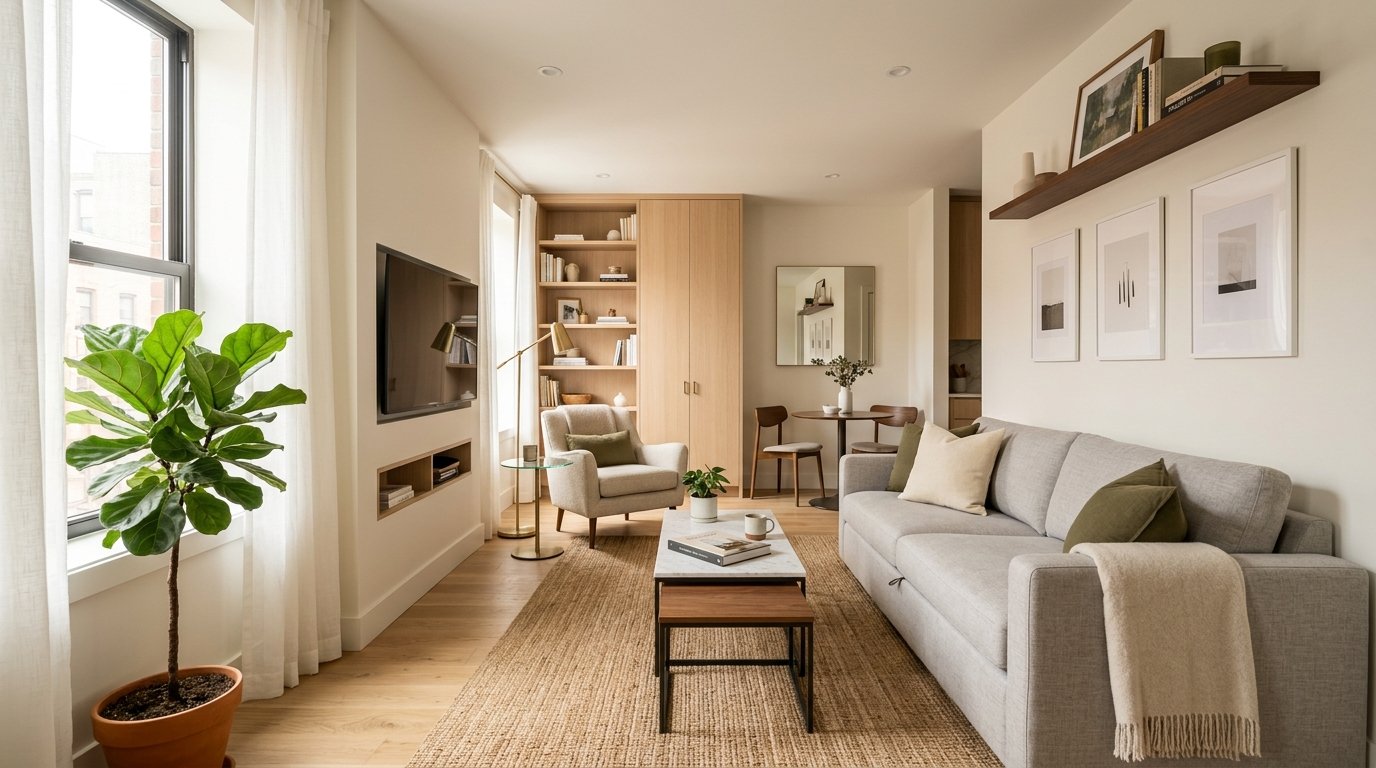
Living in a home with a small living room can often feel like a design challenge. You want comfort, style, and functionality, but the limited square footage seems to stand in the way. The good news? With intelligent small living room design strategies, you can transform even the most compact areas into surprisingly spacious, inviting, and highly functional zones. It’s all about creating visual illusions, maximizing every inch, and making smart choices that trick the eye into perceiving more space than there actually is.
At godfatherofai.com/design, we understand the nuances of small space living. We're here to guide you through effective design principles that will make your small living room feel significantly larger. Ready to unlock the full potential of your cozy corner? Let's dive into the ideas that will revolutionize your space.
The Power of Color, Light, and Reflection in Small Spaces
One of the most immediate and impactful ways to influence how a room feels is through its aesthetic foundation: color and light. These elements are your primary tools for expanding perceived space without knocking down any walls.
Light Paint Colors: Your Secret Weapon
It's a classic for a reason: light colors reflect light, making a room feel brighter and more open. Opt for whites, off-whites, pastels, or light neutrals like pale grays, creams, or sky blues. These hues not only bounce light around but also make walls appear to recede, expanding the visual boundaries of your small living room.
- Monochromatic Schemes: Using different shades of the same light color throughout your room (walls, ceiling, furniture) blurs the lines between surfaces, creating a seamless, expansive look.
- Ceiling Treatment: Painting your ceiling the same light color as your walls, or even a shade lighter, can make the room feel taller. Avoid dark ceilings which can feel heavy and reduce perceived height.
- Glossy Finishes: While not for every surface, a paint with a slight sheen (eggshell or satin) on walls or a high-gloss finish on trim can subtly reflect light, adding to the bright and airy feel.
Strategic Lighting: Brighter, Bigger
Good lighting is paramount in small spaces. A dimly lit room feels cramped and unwelcoming. Layering your lighting creates depth and ensures every corner is brightened, contributing to a more expansive feel.
- Natural Light: Maximize natural light by keeping windows unobstructed. Use sheer curtains or blinds that can be pulled up entirely during the day. Avoid heavy drapes that block light and make the room feel closed off.
- Ambient Lighting: Overhead fixtures like flush mounts or semi-flush mounts provide general illumination without taking up precious floor space. Dimmers are key for adjusting mood and brightness.
- Task Lighting: Incorporate floor lamps with a slim profile or wall-mounted sconces next to seating areas for reading. This adds light where needed without cluttering surfaces.
- Accent Lighting: Use small lamps on shelves or picture lights to highlight decor or artwork, drawing the eye around the room and adding visual interest.
Mirrors: Instant Space Multipliers
Mirrors are perhaps the most effective tool for creating the illusion of more space. They reflect light and duplicate views, instantly making a room feel larger and brighter.
- Strategic Placement: Position a large mirror opposite a window to reflect natural light and the outdoor view. This effectively "adds" another window to your room.
- Gallery Wall with Mirrors: Incorporate mirrors of various shapes and sizes into a gallery wall to scatter light and add depth without overwhelming the space.
- Mirrored Furniture: A mirrored coffee table or console can blend seamlessly into the background, reflecting its surroundings and making the piece feel less imposing.
Smart Furniture Choices for Small Living Room Design
When every inch counts, your furniture choices are critical. The right pieces can transform a cramped area into a comfortable and stylish retreat. This is where clever small living room design truly shines.
Multifunctional Furniture: The Ultimate Space Saver
One piece of furniture serving multiple purposes is a game-changer for small living rooms.
- Storage Ottomans: These can serve as extra seating, a footrest, and a hidden storage solution for blankets, magazines, or remote controls.
- Sofa Beds/Daybeds: Essential for studio apartments or if you frequently host overnight guests, offering both seating and sleeping arrangements.
- Nesting Tables: A set of tables that tuck into each other provides flexible surface area only when needed, then neatly stows away.
- Console Tables with Seating: A narrow console behind a sofa can serve as a desk, and if paired with stools that tuck underneath, offers extra seating for dining or working.
Leggy Furniture: See-Through Space
Furniture with exposed legs creates visual lightness. When you can see the floor underneath a piece, it makes the room feel more open and less cluttered. Avoid bulky, skirted pieces that extend all the way to the floor.
- Sofas and Chairs: Choose pieces with slender, elevated legs.
- Coffee Tables: Glass-top or open-design coffee tables allow light to pass through, reducing their visual weight.
Scale it Right: Don't Oversize, Don't Undersize
It's a common misconception that all furniture in a small room should be small. While massive furniture will overwhelm, tiny pieces can look insignificant and make the room feel disjointed. The key is appropriate scale.
- Sofa Size: Measure carefully. An apartment-sized sofa or a loveseat might be perfect. A sectional can work if it fits snugly into a corner and doesn't block pathways.
- Armless Seating: Armless chairs or chaises take up less visual and physical space than their armed counterparts.
- Vertical Elements: Draw the eye upwards with tall, narrow bookshelves or a floor lamp to emphasize vertical space.
Vertical Storage: Reach for the Sky
When floor space is limited, look to your walls. Vertical storage is incredibly efficient and helps keep clutter off surfaces, which is crucial for making a room feel larger.
- Floating Shelves: Install shelves high on the walls for books, decor, or plants. This frees up floor space and adds visual interest.
- Built-in Look: If possible, consider custom built-ins that maximize a wall from floor to ceiling, providing ample storage that blends seamlessly into the architecture.
- Wall-Mounted Cabinets: Instead of floor-standing units, wall-mounted media consoles or display cabinets keep the floor clear.
Layout & Flow: The Blueprint for Spaciousness
The arrangement of your furniture can dramatically impact the perceived size and functionality of your small living room. A well-planned layout enhances movement and creates a sense of openness.
Keep Pathways Clear: Easy Movement
The most important rule for small spaces is to ensure clear pathways. You should be able to move around the room without bumping into furniture. Aim for at least 30 inches of clearance for main walkways.
- Furniture Placement: Position larger pieces against walls to maximize open floor space in the center. Avoid placing furniture in front of windows or doorways.
- Define Zones: Even without walls, you can define different areas (e.g., seating, reading nook) using rugs, furniture arrangement, or lighting, without physically blocking off the space.
Diagonal Placement: A Visual Trick
Placing a rug or a piece of furniture diagonally can draw the eye across the longest dimension of the room, making it appear wider and longer than it actually is.
- Area Rugs: A rug placed at an angle can create an illusion of depth and stretch the room visually.
- Single Statement Chair: If you have a particularly stylish armchair, try positioning it at a slight angle to break up the linear perception of the room.
Zone Your Space: Define Without Walls
In open-concept small living rooms, creating distinct zones can make the space feel more organized and functional, rather than a single, cramped area.
- Rugs: Use area rugs to anchor seating arrangements or define a reading nook.
- Low Dividers: A low bookshelf or console can subtly divide a living area from a dining or entry space without blocking light or sightlines.
- Lighting: Different lighting fixtures can designate zones – a pendant over a small dining table, a floor lamp for a reading chair.
De-clutter & Accessorize with Intention
No matter how clever your furniture or color choices, a cluttered room will always feel small. Thoughtful accessorizing and ruthless decluttering are non-negotiable for an expansive feel.
Less is More: Embrace Minimalism
A minimalist approach doesn't mean your room has to be stark or cold. It means being intentional about what you bring into your space. Every item should have a purpose or bring you joy.
- Regular Purge: Make decluttering a routine. Get rid of items you don't use, need, or love.
- Hidden Storage: Utilize baskets, decorative boxes, and furniture with built-in storage to keep everyday items out of sight.
Thoughtful Decor: Add Personality, Not Clutter
Decorations add personality, but too many can overwhelm a small room. Be selective and strategic.
- Large Artwork: Instead of many small pieces, one large piece of art can make a statement without contributing to visual clutter. It draws the eye and can make a wall feel larger.
- Cohesive Color Palette: Stick to a limited color palette for your accessories to maintain a sense of calm and order.
- Plants: Greenery adds life and freshness. Opt for tall, slender plants or hanging plants to draw the eye upwards and add organic texture without taking up much floor space.
Visual Tricks: Stripes and Transparency
Certain patterns and materials can play tricks on the eye, making a room feel more expansive.
- Vertical Stripes: Wallpapers or fabrics with subtle vertical stripes can make walls appear taller, just like striped clothing can make a person appear taller.
- Transparent Materials: Glass, acrylic, or lucite furniture (like a coffee table or dining chairs) allows light to pass through, making them virtually disappear into the room and creating an open, airy feel.
Practical Tips for Your Small Living Room Design Journey
- Measure Twice, Buy Once: Always measure your space thoroughly and consider the dimensions of furniture (length, width, *and* height) before purchasing.
- Create a Floor Plan: Sketching out your layout on paper or using an online tool can help visualize how furniture will fit and ensure good flow.
- Utilize Wall Space: Think beyond floor-standing furniture. Wall-mounted shelves, TVs, and sconces free up valuable real estate.
- Don't Forget the Details: Even small choices, like using thin picture frames or lightweight curtain rods, contribute to an overall light and airy aesthetic.
- Embrace a Cohesive Style: A unified design style prevents the room from feeling chaotic and contributes to a sense of calm and spaciousness.
Transform Your Small Living Room with godfatherofai.com/design
Designing a small living room doesn't have to be a daunting task. By implementing these strategic ideas for color, lighting, furniture, and layout, you can create a space that feels surprisingly spacious, functional, and deeply personal. The key is to think vertically, embrace versatility, and always prioritize light and clarity.
Ready to visualize these ideas in your own home? At godfatherofai.com/design, our free AI design tools allow you to upload a photo of your living room and experiment with different layouts, furniture styles, and color palettes. See how a new sofa, a lighter wall color, or a strategically placed mirror can instantly transform your space. Take the guesswork out of small living room design and start creating your dream home today, virtually and for free!
Discover your design potential with godfatherofai.com/design's AI tools!